Aesthetic Doesn’t Build Trust. Clarity Does.
Aesthetic Doesn’t Build Trust. Clarity Does.

There’s a point where good design stops being enough.
Not because it isn’t effective, but because it’s no longer distinctive. The colors are right. The typography feels considered. The overall look is polished, elevated, and aligned with what’s trending in the market. And for a while, that’s enough to create attention. It signals quality. It creates a certain level of credibility at first glance.
But over time, something starts to shift.
The same aesthetic begins to appear everywhere. What once felt refined starts to feel familiar. What once stood out starts to blend in. And the more that happens, the less the design itself can carry the weight of the brand.

That’s where the difference between aesthetic and strategy becomes visible.
Aesthetic is what people notice first. Strategy is what makes them stay.
Without a clear strategy behind it, even the most polished brand starts to rely on appearance to do more than it should. It has to signal meaning, differentiation, and value all at once. And when too much is placed on how something looks, the brand becomes fragile. It works as long as it feels new. But once the market catches up, it loses its edge.
We’ve seen this directly in brands that already looked elevated on the surface.
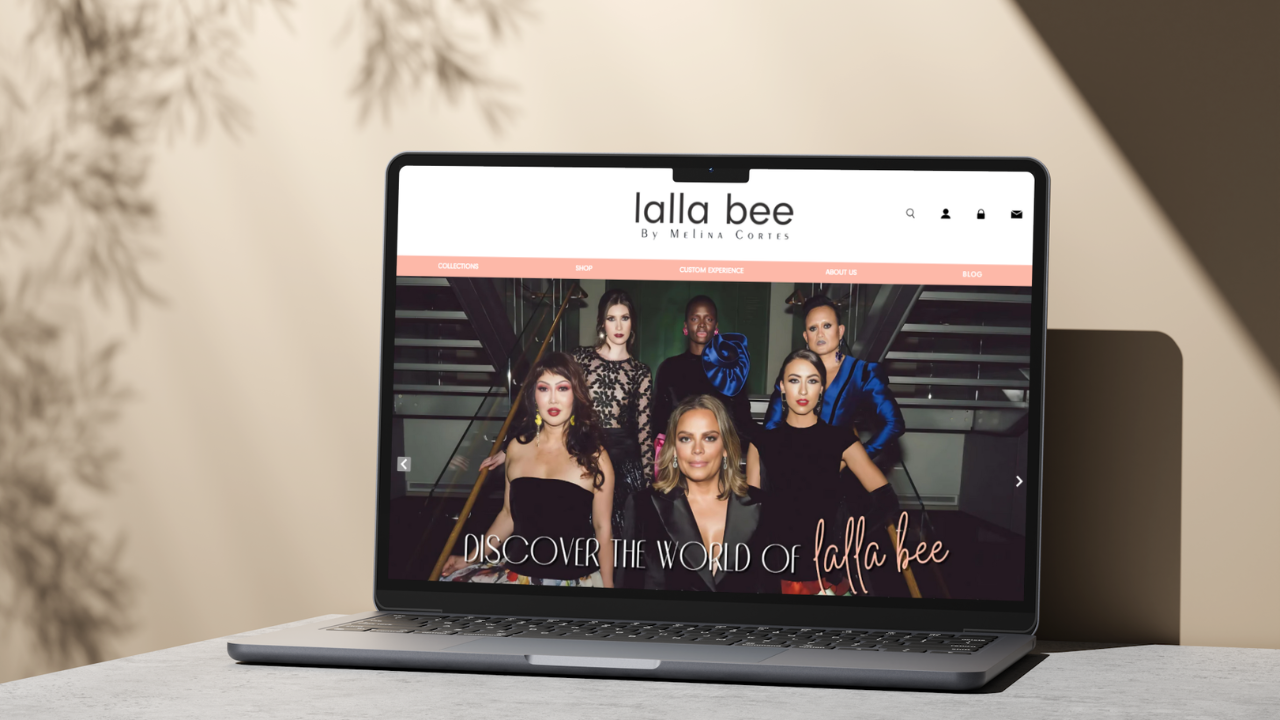
With Lalla Bee, the visual identity already carried a sense of refinement. It felt considered, intentional, and aligned with the kind of brand it wanted to be. But what was missing wasn’t aesthetic—it was articulation. The deeper identity behind the brand wasn’t being fully expressed in a way that people could immediately understand. The look suggested quality, but the meaning behind it wasn’t yet fully anchored.
And when that happens, the brand becomes something people admire—but don’t fully connect with.
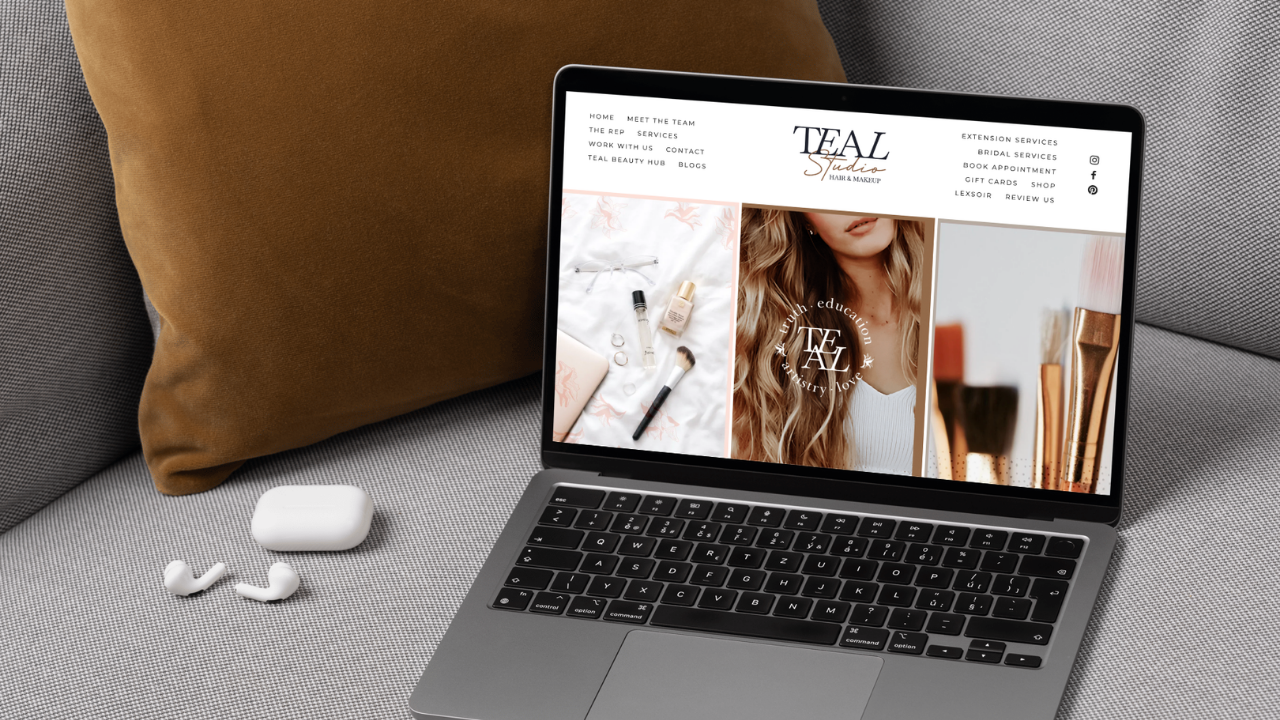
We’ve seen a similar pattern in beauty brands as well. With TEAL, the work itself was strong. The visuals were clean, the presentation was polished, and everything felt cohesive. But as the space became more saturated with similar aesthetics, that visual consistency alone wasn’t enough to differentiate the brand. What needed to shift wasn’t how it looked, but what it stood for—and how that was communicated consistently across every touchpoint.
That’s where trust starts to change.
Because trust isn’t built through how something looks. It’s built through how clearly something is understood.

When a brand has clarity, every element starts to reinforce the same idea. The visuals don’t just look cohesive—they communicate something specific. The messaging doesn’t just sound good—it carries a clear point of view. The overall presence doesn’t rely on aesthetic trends to feel relevant, because it’s grounded in something more stable.
That’s what allows a brand to hold its position even as the market shifts around it.
When clarity is present, the aesthetic becomes a tool, not a crutch. It supports the brand instead of defining it. It evolves without losing direction. It adapts without becoming inconsistent. And most importantly, it continues to feel distinct even when similar styles begin to appear elsewhere.
Without that clarity, the opposite happens.

The brand starts to chase its own identity. It adjusts visuals to stay current. It shifts tone depending on what feels effective in the moment. It experiments without a clear anchor. And over time, that creates a kind of inconsistency that’s difficult to articulate but easy to feel.
People don’t always recognize it consciously.
They just don’t fully trust it.
Because trust requires stability. And stability comes from knowing what something is, not just how it looks.
That’s why aesthetic alone isn’t enough.
It can create attention, but it can’t sustain confidence. It can draw people in, but it can’t hold them there. It can suggest quality, but it doesn’t define it.
Clarity does that.
Clarity is what makes a brand feel intentional. It’s what allows people to understand it quickly, recognize it consistently, and trust it without needing repeated exposure. It creates a sense of certainty that aesthetic alone can’t replicate.
And in a space where more brands are starting to look the same, that certainty becomes the real differentiator.
Not who looks better.
But who is understood faster.
