What Brand Revitalization Actually Means (And Why Most Brands Get It Wrong)
What Brand Revitalization Actually Means (And Why Most Brands Get It Wrong)
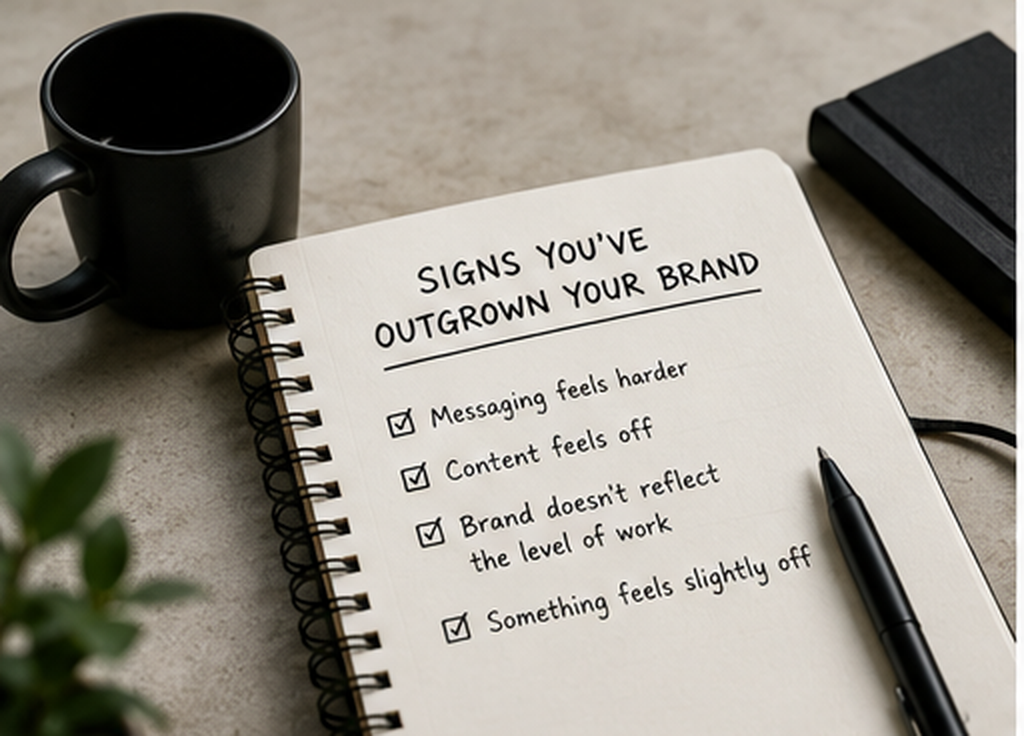
Most brands don’t realize they’ve outgrown themselves. There isn’t a clear moment where it happens, and it rarely feels like something is broken. It’s more subtle than that. Things still work, technically. The business is still running, clients are still coming in, and from the outside, nothing seems obviously wrong. But internally, something starts to feel slightly off, even if it’s hard to explain.
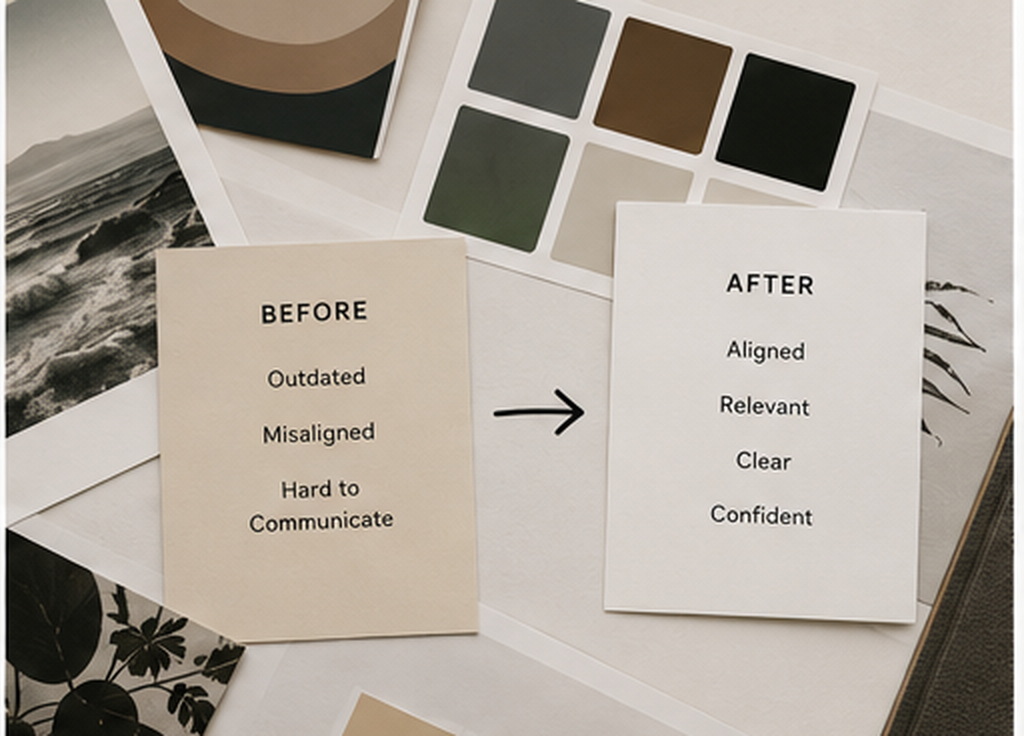
Messaging takes more effort than it used to. Content feels harder to create. The brand doesn’t quite reflect the level of the work anymore, even though nothing about the business has declined. If anything, it’s improved. That’s usually the first signal, not that something is wrong, but that something is no longer aligned.
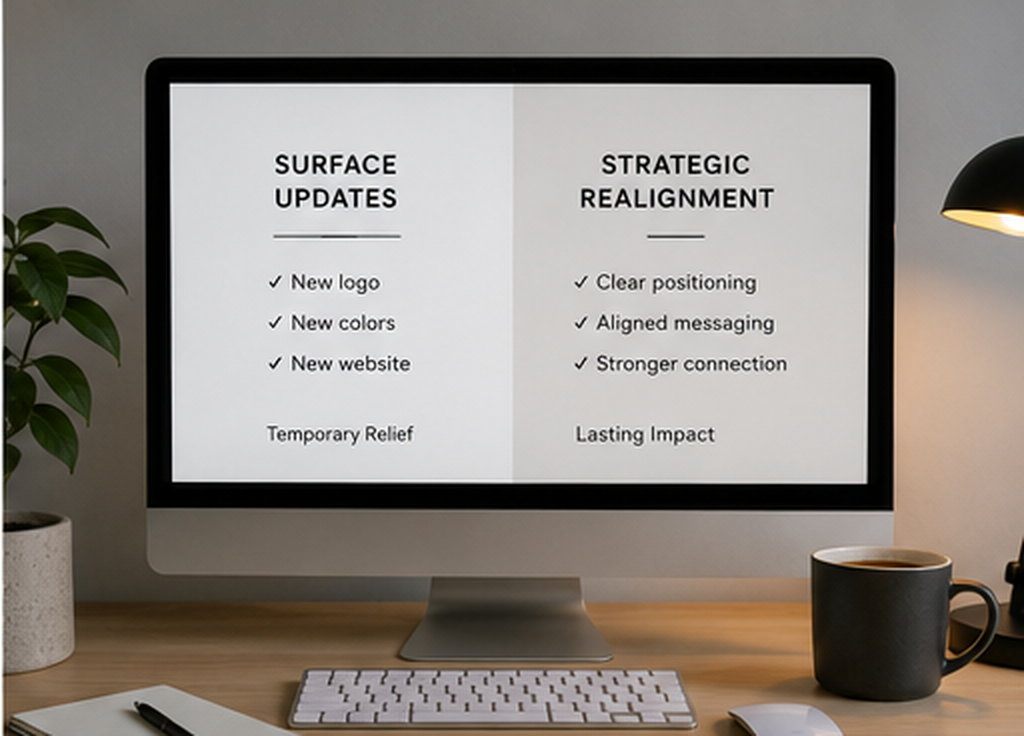
This is where most businesses misinterpret what they need. They assume the issue is visual, that the brand just needs to feel more current, more polished, more refined. So they update the logo, adjust the colors, redesign the website, and for a moment, it feels like progress. But the underlying tension doesn’t go away, because the problem was never just how the brand looked. It was how the brand was positioned.
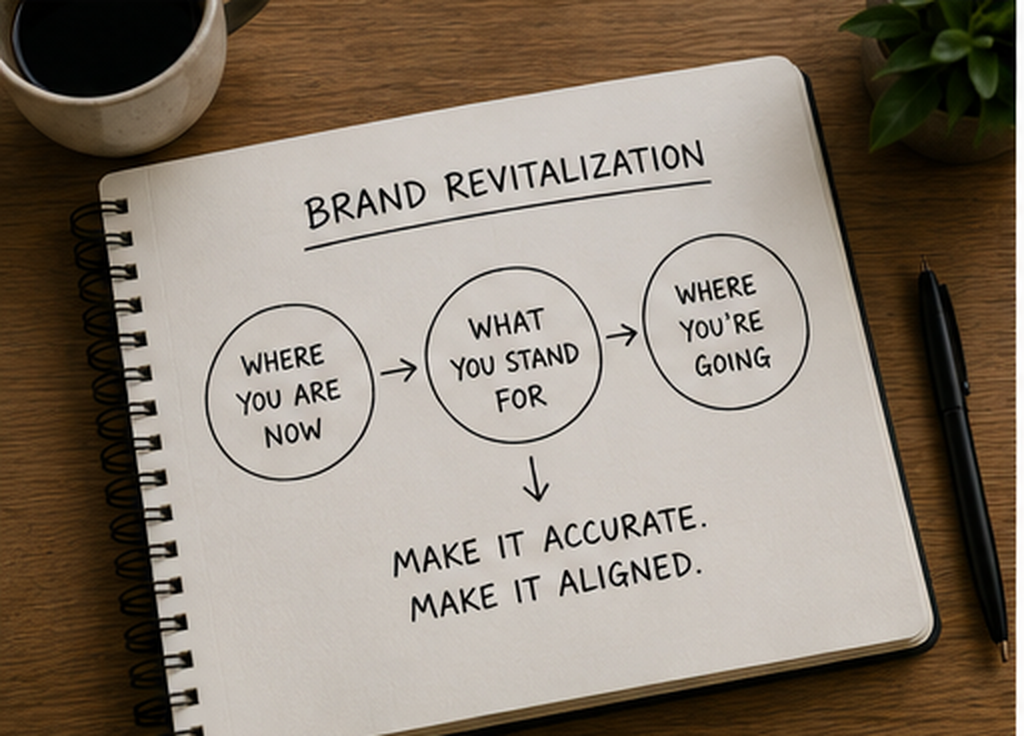
Brand revitalization isn’t about making something new. It’s about making something accurate. It requires stepping back and asking whether the brand still reflects the business as it exists now, whether the positioning still makes sense for the level you’re operating at, and whether the messaging still communicates the value you’ve grown into. If those things haven’t evolved, the brand starts to feel disconnected from the business it represents.
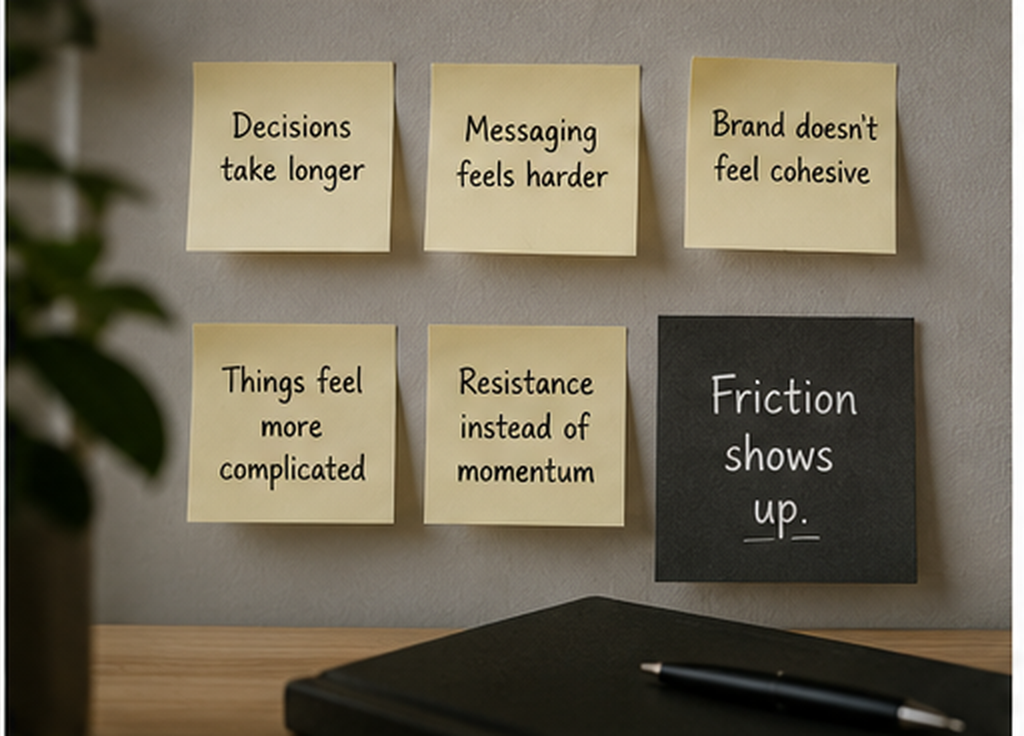
That’s when friction shows up. Not as failure, but as resistance. Things take longer. Decisions feel less clear. The brand stops feeling like a natural extension of the business and starts feeling like something you have to work around.
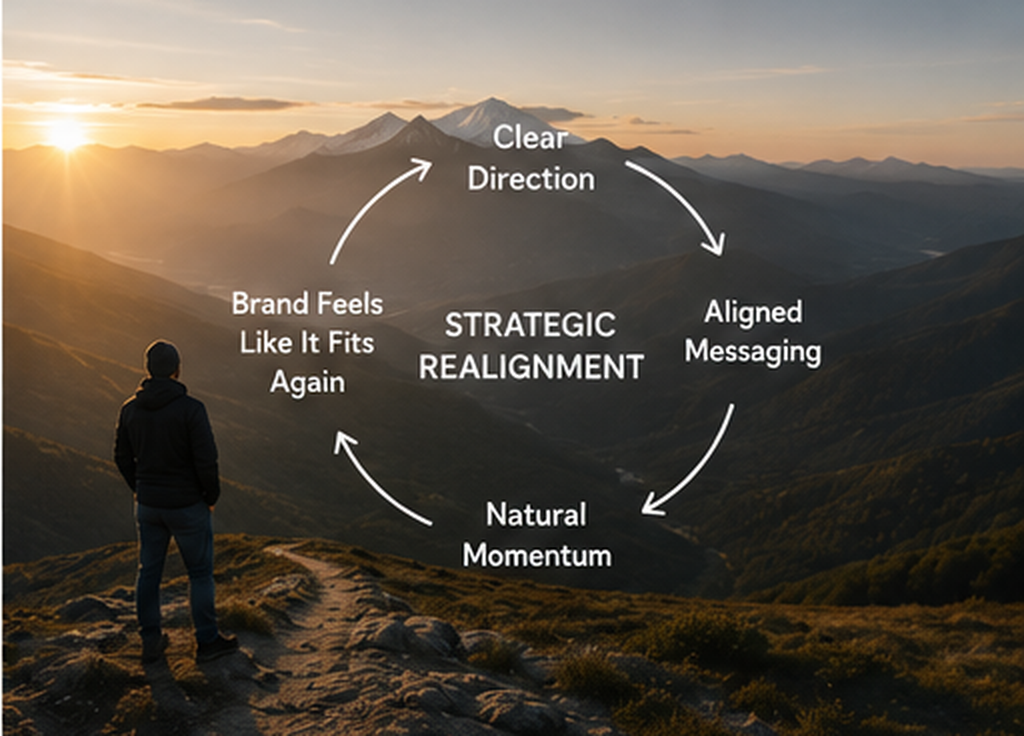
The only way to resolve that isn’t through surface updates, but through strategic realignment. Clarifying what the brand stands for now, how it should be perceived, and what needs to shift in order for it to feel cohesive again creates a different kind of momentum. Once that alignment is in place, everything else becomes easier. The visuals follow. The messaging becomes more natural. The brand starts to feel like it fits again, not because it changed completely, but because it finally caught up.
