People Don’t Choose the Best Option, They Choose the One They Understand
People Don’t Choose the Best Option, They Choose the One They Understand

There’s a point in every major decision where information stops helping.
Not because there isn’t enough of it, but because there’s too much to process all at once. At that point, people don’t look for more answers. They look for something that makes the situation feel clearer. Something that helps them move forward without second-guessing every step.
That’s especially true in real estate and lending, where the process isn’t just unfamiliar—it’s layered, time-sensitive, and filled with decisions that don’t feel easy to reverse. Most clients don’t come in confident. They come in trying to figure out what they don’t know yet.
And that changes what they need from a brand.

They’re not just looking for expertise. They’re looking for orientation. A sense that someone understands the process well enough to simplify it without losing its complexity.
Before the transformation, Keys With KG had the experience, the knowledge, and the capability to deliver exactly that. But the brand itself wasn’t fully carrying that role. It communicated what was being offered, but not how it would feel to move through the process with that level of support.
There’s a difference between knowing something and being able to make someone else feel clear about it.
That difference is where most brands either build trust—or create hesitation without realizing it.

Because when a brand assumes understanding, it leaves space for doubt. It places the burden of interpretation on the client, expecting them to connect pieces that haven’t been fully structured for them yet. And in high-stakes decisions, even small gaps in clarity can slow everything down.
What changed wasn’t the information. It was how that information was experienced.
Instead of presenting the process as something to navigate, the brand began to move alongside the client through it. The Mortgage Survival Guide became a central part of that shift, not as a resource to reference, but as a way to reframe the entire experience. It gave structure to something that often feels scattered, and in doing so, removed the pressure of trying to figure everything out alone.
That same thinking carried into the rest of the brand.
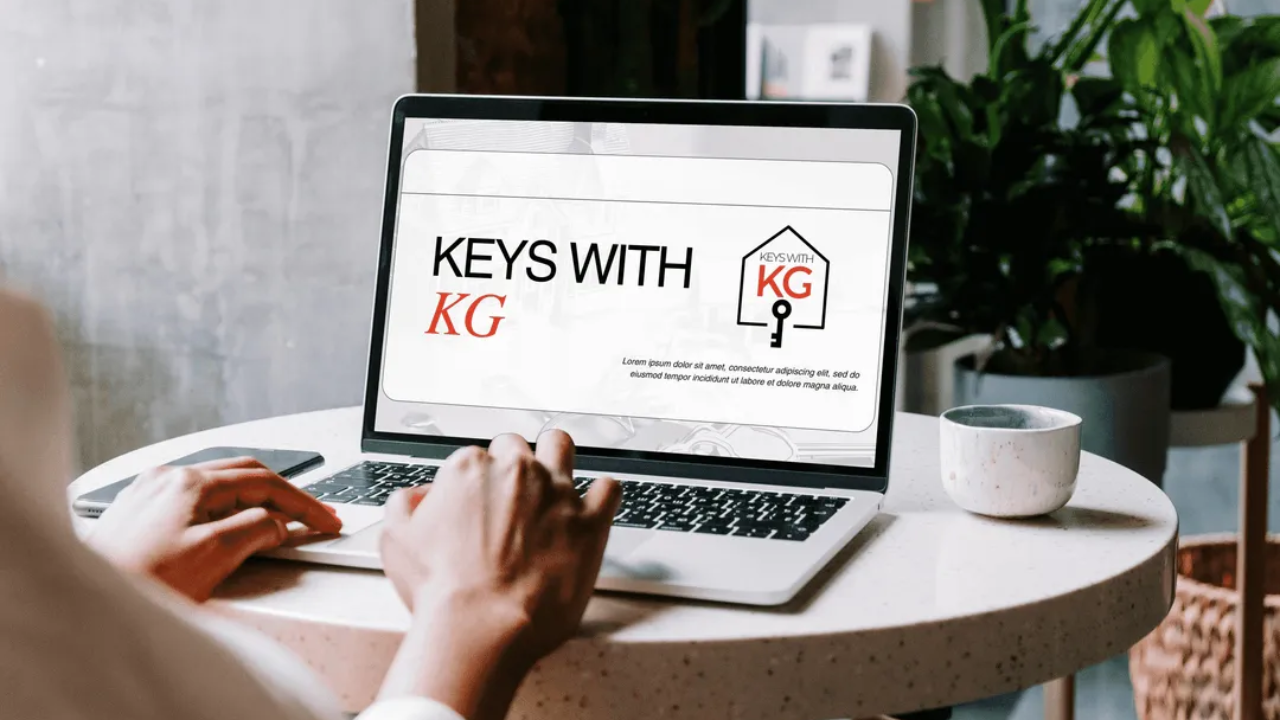
The website didn’t just explain services. It organized them in a way that made the next step feel obvious. The messaging didn’t try to cover everything. It focused on what actually helps someone feel ready. Even the visual presence was shaped around that balance credible enough to feel dependable, but not distant enough to create hesitation.
Nothing about the work became simpler.
But everything about it became easier to move through.
And that’s what ultimately changes how a brand is chosen.
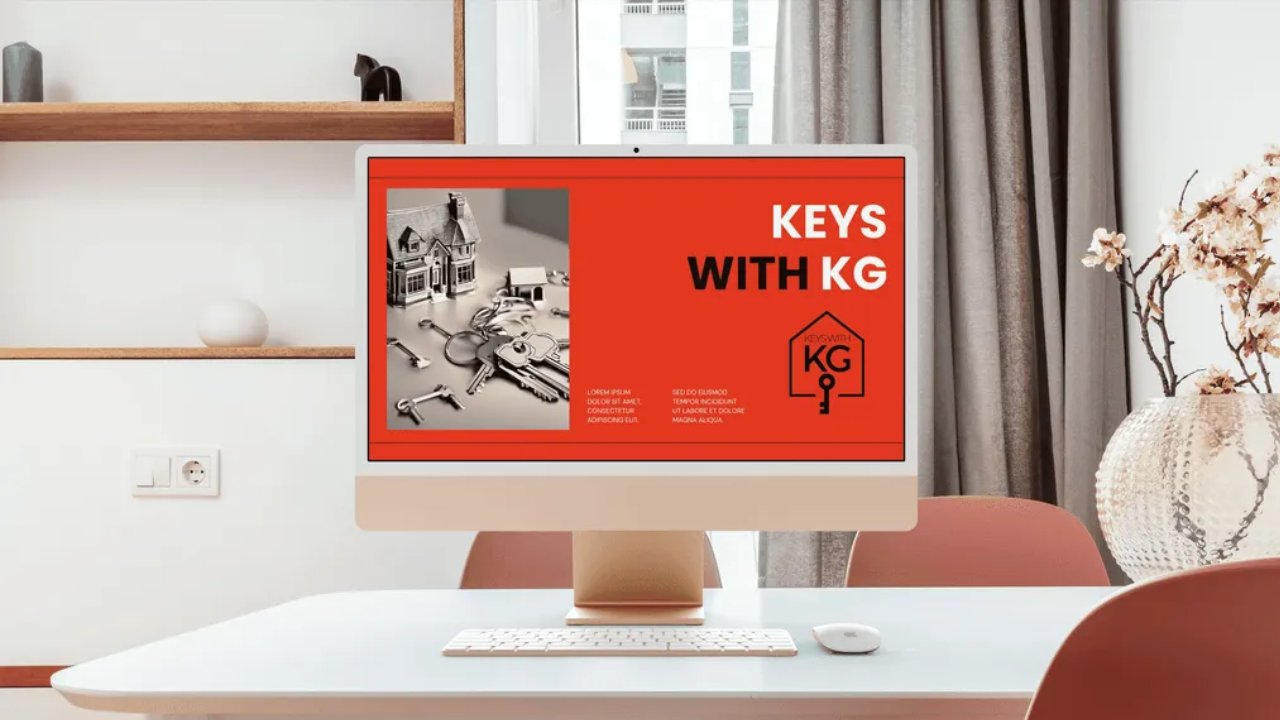
Because people don’t compare every option equally. They move toward what feels clear, what feels grounded, what feels like it will guide them through something they don’t want to get wrong.
The brands that understand that don’t need to compete for attention in the same way.
They become the point where uncertainty starts to settle.
And once that happens, the decision is already in motion.
